Why we mourn celebrity deaths
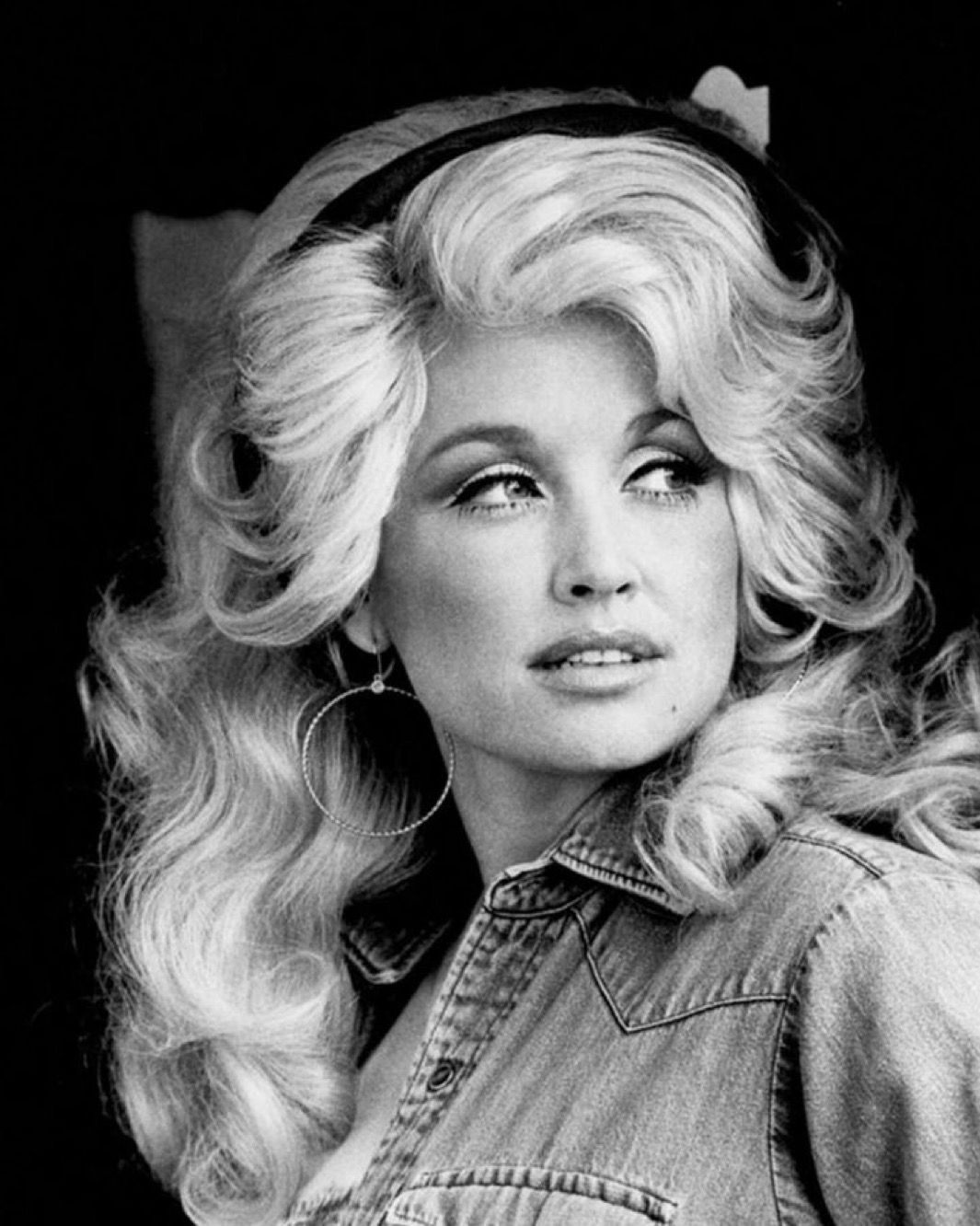
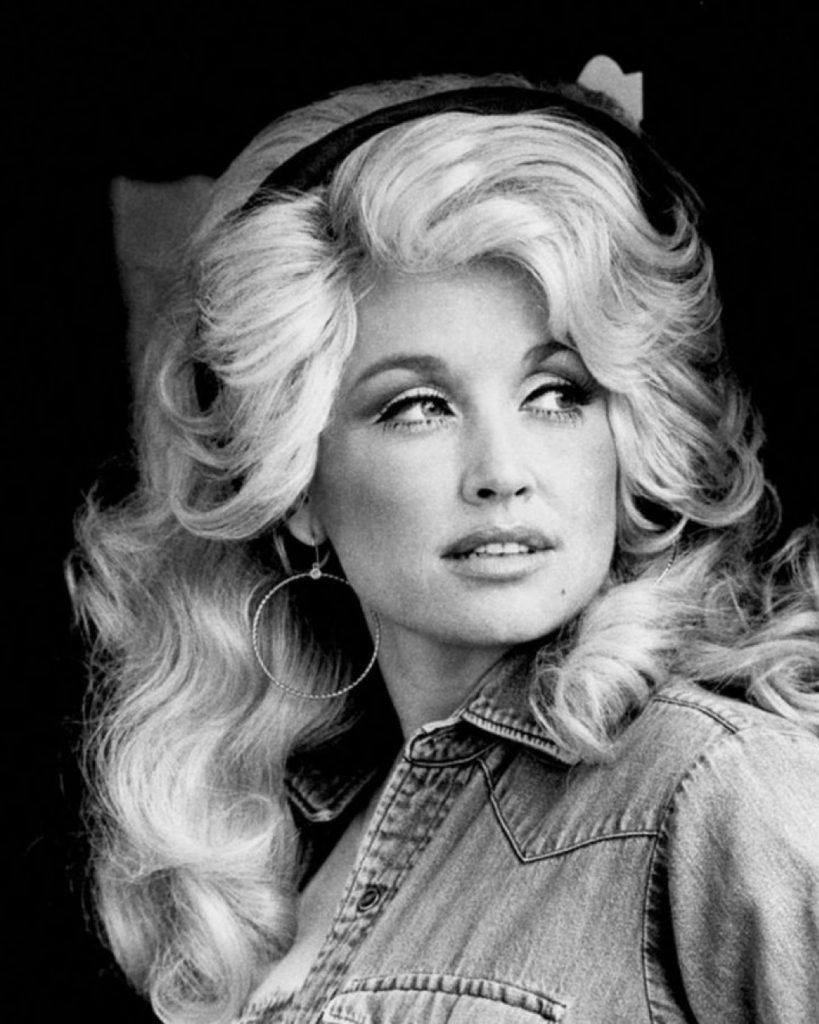
I realised this weekend, that every single conversation I had with a fellow lawyer, in the past few days, turned, at some point, to a discussion about Dolly Parton.
It was the same with non-lawyers but the lawyers stand out because many like to pretend they are unsentimental folk. That whatever is going on in the news, they are focused on their latest hearing or case.
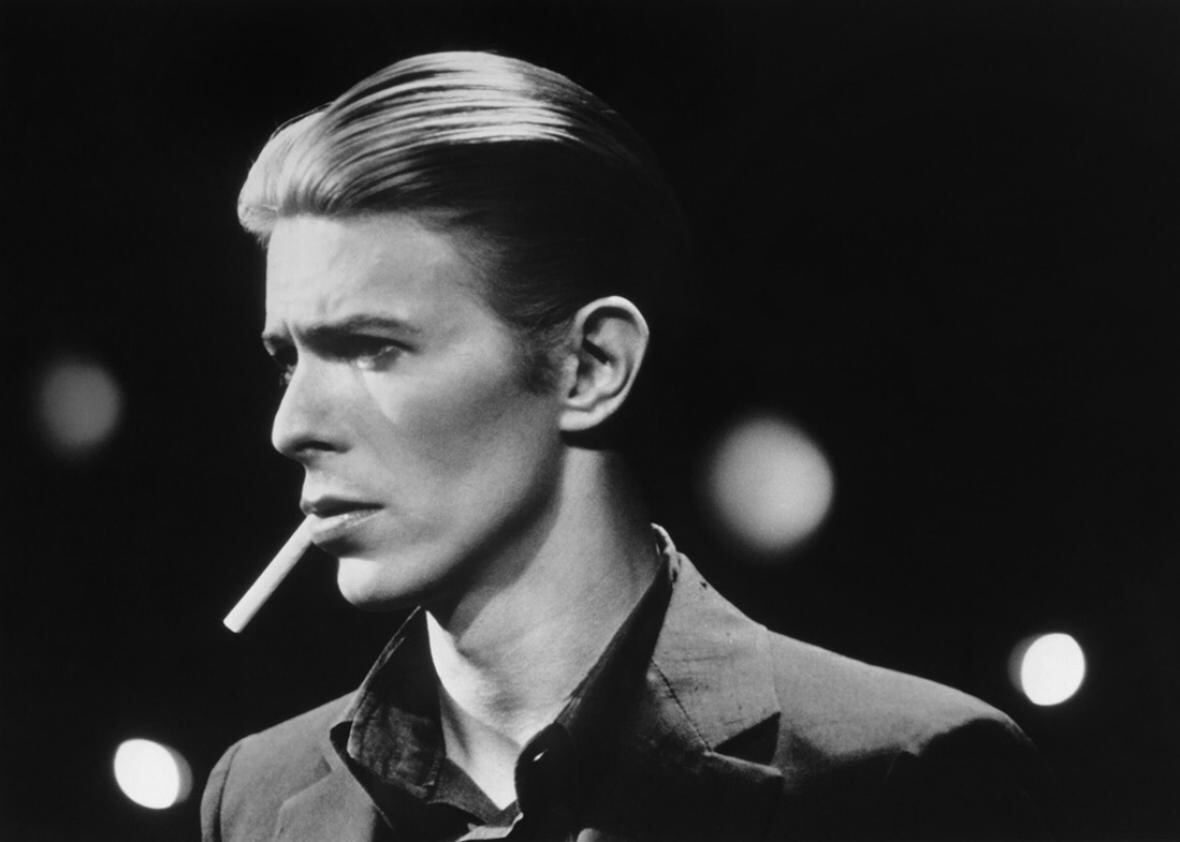
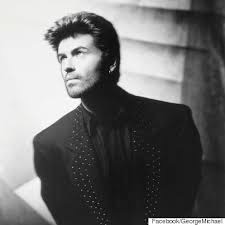
The last time this happened with the death of a public figure (I won’t include the Queen in this piece, I’ll just focus on the celebrity deaths) was George Michael and prior to that, David Bowie.
So, why has the death of Dolly Parton hit so many people so hard? I’ve seen and heard a lot of people trying to understand it themselves.
- Is it her joyous, impressive musical legacy?
- Is it that, knowing how his illiteracy had embarrassed her own poverty stricken but proud father, she set up the Dolly Parton Imagination Library to provide books to children whose families might not be able to afford them?
- Is it the countless stories of her innate goodness that so many of us would like to aspire to?
- Is it her unapologetic love of bling and sparkle, red lipstick and big hair?
- Is it her equally unapologetic love for God and the kind of faith many would secretly like to have?
- Is it her pride in her humble roots?
- Is it her unwavering love of family?
- Is it her razor sharp wit and ability to laugh at herself?
- Is it that she was a symbol of a world now gone, of an innocence and a time that for all its own troubles, seems so much better than today?
It’s all of the above, in different measures and different combinations.
When a celebrity dies, someone always questions the outpouring of grief. ‘People have died of hunger or in war today, why aren’t we remembering them,’ they ask sanctimoniously?
Because, though their deaths are tragic, they haven’t touched our lives at key moments of our development. Because their talent hasn’t entered the very fabric of our being.
When David Bowie died, I found myself discussing it with a Judge. For days I had felt such a loss and I couldn’t put my finger on it. Yes, he was a musical genius, yes I’d loved many of his songs but it was more than that.
It took me a while to fully understand it. Like Dolly, in her song Coat of many colours ‘Back through the years I went wandering once again, back to the seasons of my youth’.
I came to the UK as a four-year-old, I didn’t know the language. I didn’t know the customs and I certainly didn’t know the music of this land. After a while I became best friends with my neighbour who was the same age. She had an older sister, who we thought was impossibly cool, simply by virtue of being a teenager. She loved Bowie and because I wanted to be cool, I would listen to Bowie on the radio or watch him on the television to learn how.
I improved my English and learnt about my new home through songs as much as I did through formal education.
So, when he died, I was reminded of my childhood, of trying to fit in and finding role models I could aspire to be like.
The Judge told me, that being much older, she had had a similar sense of feeling bereft when Jimi Hendrix died.
George Michael grew up two miles from where I once lived. I celebrated a birthday at his father’s restaurant. My brother once drew his likeness on the wall of our house and it remains there still. A friend knew him and shared sweet stories about a genuinely nice man. I still clearly remember his first appearance with Wham on Top of the Pops. When the new Wembley stadium opened in 2007, George wanted to be the first artist to play there. He got his wish and I, with other fans, was there to see him as he was then, an established global superstar, a true pop giant, a genuine, once in a generation talent.
Dolly Parton died on the anniversary of my mother’s death. My heart was already weighed down with sadness that day and hearing of Dolly‘s death added to the heaviness of the date.
I have a vivid memory of my mother listening to Jolene, like me, perhaps, improving her English through song lyrics.
In his book About a boy, author Nick Hornby writes about a girl, in the’90s, mourning Kurt Cobain because she had built an identity around grunge.
That’s why we mourn artists -because their art has been interwoven into the tapestry of our lives, our memories, pivotal moments in our development, our joys, sorrows and highest aspirations.
From pop royalty, Sir Paul McCartney and Taylor Swift to rap royalty, Eminem, from Hollywood A-listers to Hannah Montana fans, from country singers to hard rockers, from world leaders to truckers, from billionaires like Jeff Bezos to families on welfare, everyone has paid heartbroken tribute to Dolly Parton.
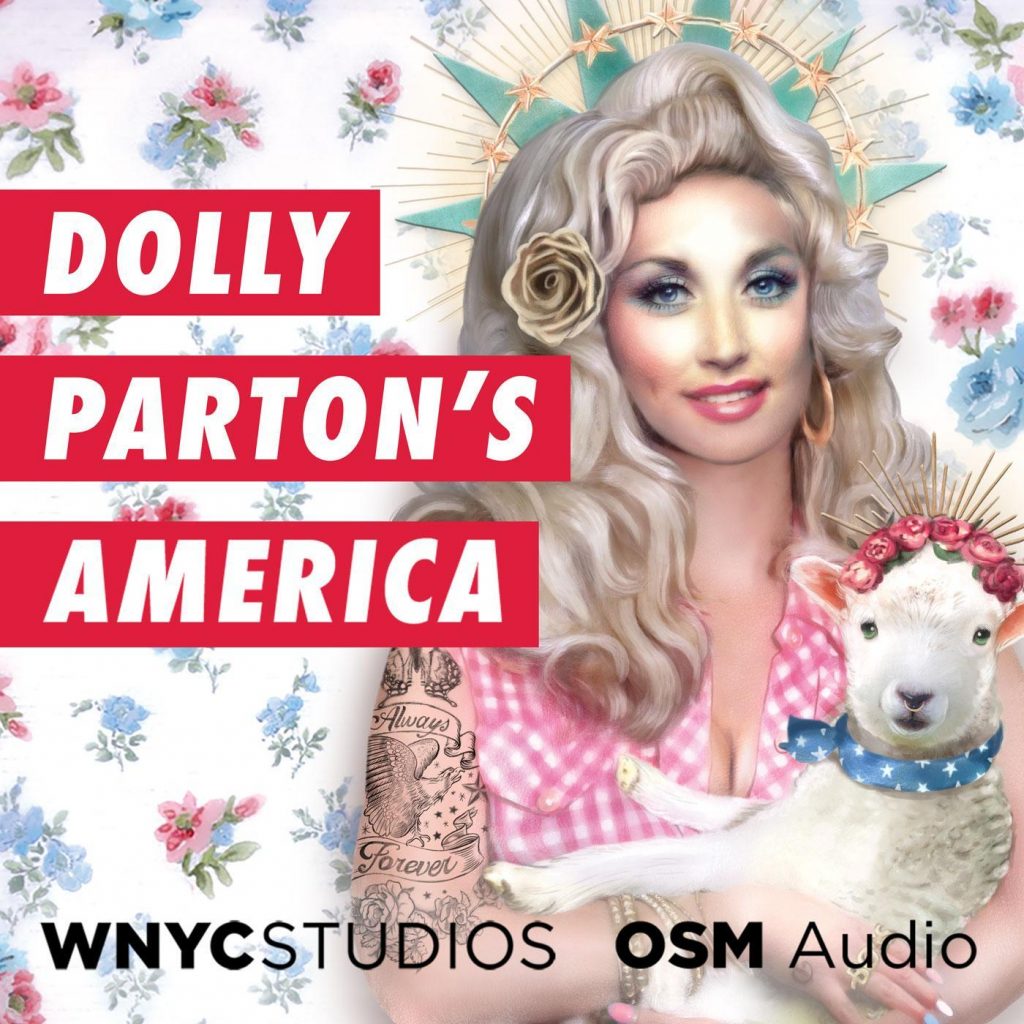
On this blog, during the COVID pandemic I wrote about a podcast called Dolly Parton‘s America.
You don’t have to be a Dolly Parton fan to love this (though it’s hard to believe that any living, breathing, sane person, could not be a Dolly fan).
This enchanting, heartwarming, joyous podcast is a glimpse into a world that, at times, is so magical and beautiful that it will bring you to tears. From the smoky mountains of Tennessee, to South Africa via Lebanon, this 9 part series is really about relationships, the human spirit, family and how much better life could be like if we had the grace and heart of Dolly Parton.
Her exquisite songs are woven into the fabric of this audio coat of many colours which will leave you wanting to catch the next flight out to Nashville. Fun fact: Dolly wrote I will always love you and Joleneon the same day! (The episodes about the two songs are an eye opener). Anyone who thinks that Dolly Parton writes fluffy songs will be schooled hard by the scholarly and scandalous breakdown of them through the prisms of social and political changes in recent American history. Overseeing it all is the humour and wisdom of Miss Parton who is as astute about the human condition as they come.
I can’t recommend this podcast enough.