
Gorton and Denton By-Election. why it matters.
by Alexandra Vivona, Political Correspondent
Gorton and Denton: Why This Thursday’s By–Election Matters
Voters in Gorton and Denton will go to the polls this Thursday 26 February in what has become one of the most unpredictable by-elections in recent years. The contest, triggered by the resignation of former MP Andrew Gwynne following a WhatsApp scandal, has quickly developed into a fiercely competitive three-wayfight between Labour, Reform UK and the Green Party.
The newly reconfigured constituency, which brings together communities with very different identities and experiences, is now the focus of national political attention. Many observers see it as a window into the broader shifts taking place across British politics.
A Divided Constituency
Gorton and Denton is split between two distinct areas. Manchester’s wards are younger, more diverse and more mobile, while Tameside’s wards tend to be older and more settled. This demographic divide has made the seat hard to predict and contributed to the unusually volatile polling throughout the campaign.
Recent surveys have shown all three leading parties within striking distance of each other. Some polls have placed the Greens narrowly ahead, others have suggested Reform UK might edge it, and several still show Labour battling to retain its position. A high number of undecided voters adds to the uncertainty, and bookmakers have been shifting their odds almost daily.
What I Saw on the Ground
Being in the constituency over the past few days made clear how intense and emotionally charged this by election has become. In Levenshulme and Longsight, Green posters filled windows along entire streets and campaign volunteers moved quickly from house to house. In Denton and Audenshaw, the streets were quieter but the conversations at the doorsteps were no less pointed. Many residents said they had been visited repeatedly by campaigners from all parties and were beginning to feel worn down by the attention.
The volume of on the ground campaigning meant volunteers often overlapped. I saw different party activists knocking on the same street within minutes of each other. In some areas the reactions were tense, with several residents expressing irritation or asking canvassers to stop calling altogether.
I heard a clear note of frustration from Labour supporters about Andy Burnham being blocked from standing. People brought it up unprompted and with real irritation, saying it felt like the party had ignored the one figure they trusted locally. Even long time Labour voters admitted the decision had made them pause, and several said it had shaken their confidence in the party’s leadership.
Across all parties the exhaustion was visible but so was their resolve. Volunteers were rain soaked and tired but continued working, fully aware that turnout and a handful of streets could influence the result.
Rising Tensions Before Thursday
The final days before the vote have been marked by growing tension. Reports of disagreements on doorsteps, complaints to police and arguments between campaign teams have shaped the atmosphere. National political figures have weighed in too. Keir Starmer visited the constituency and warned that a Reform UK win could heighten tensions locally, while Reform candidates and supporters have argued that such warnings are unfair and inflammatory.
The Greens, buoyed by strong local campaigning and a noticeable presence on the streets, have been attempting to convert momentum into votes. Reform UK has centred its efforts on direct contact with voters, and Labour has been working hard to defend a seat it has historically held by a comfortable majority, but which now appears to be slipping into genuine contention.
Although the campaign has largely been framed as a three-way contest, the Conservative Party is also standing a candidate, Charlotte Cadden. Their polling numbers in the constituency are low, prompting questions about whether the Conservatives remain a meaningful part of the political landscape in places like Gorton and Denton. Some residents see their continued presence on the ballot as a reminder of their national relevance, while others view their limited visibility as evidence that the political map in this part of Greater Manchester has changed significantly. Whether the Conservatives can re-establish influence here in the future remains an open question.
Why Thursday Matters Nationally
The result of this by election could have national implications. Labour won more than half the vote here in 2024 but now faces credible threats from two different directions. A Green victory would be a significant breakthrough in the north of England. A Reform win would underline the extent to which the party has gained traction in formerly safe Labour areas. A Labour hold would offer the party some reassurance at a time when its electoral coalition is under visible strain.
The volatility of the constituency reflects a wider pattern across the country. Traditional voting habits are weakening, and voters are more willing than before to shift between parties. Gorton and Denton exemplifiesthis fluidity. Its fractured demographics, intense campaigning and rapidly shifting local sentiments make it a miniature version of the national political climate.
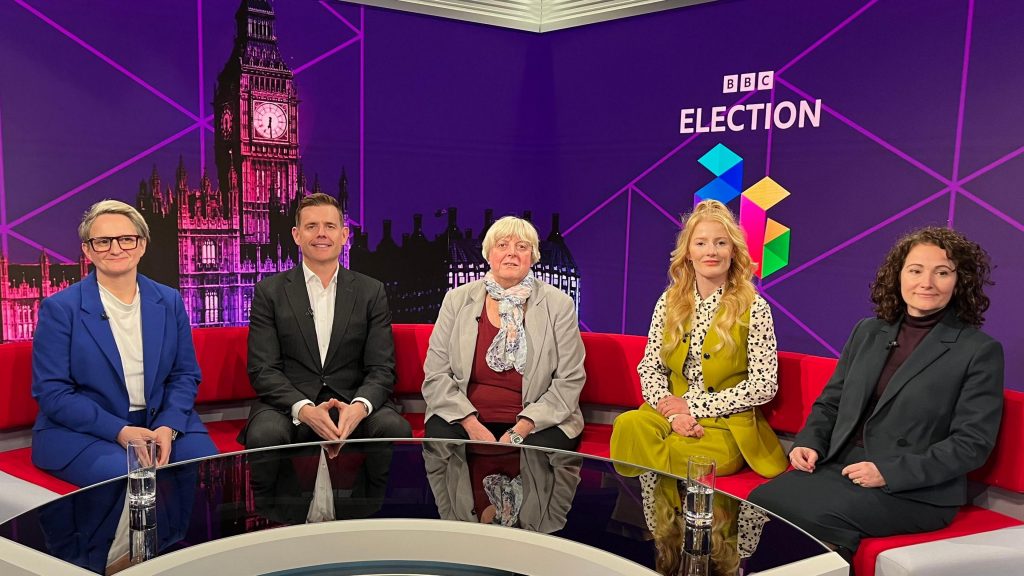
A Snapshot of Modern Politics
What I witnessed on the ground was a constituency alive with political energy but also fatigued by it. Conversations at the doorstep were thoughtful but often marked by frustration. Campaigners showed remarkable determination in difficult weather and residents voiced concerns that ranged from local issues to national policy.
Whatever happens on Thursday, the result will reveal more than who the next MP will be. It will give early insight into how voters are approaching politics in 2026 and what shape the next general election may take. Gorton and Denton is a reminder that the political map of Britain is still shifting and that even long-standing assumptions can be overturned in a matter of months.